Intolerance for a Life Lived
On wear, discard, and what the fashion system will not accommodate

Last week, I went to consign a few bags of my daughter’s clothing. Good quality pieces she has grown out of, nothing was heavily used, nothing stained, nothing damaged. I use consignment stores as part of the system I’ve developed to manage the flow of clothing she moves through as she grows. Whilst I pass many of her clothes on, I sell some pieces and use the money to buy some special second-hand pieces that supplement the clothes she has been handed down.
This time, the store turned away the majority of what I’d brought. Some pieces were seasonally inappropriate, which I fully understood. Others, they said, were just a little too loved.
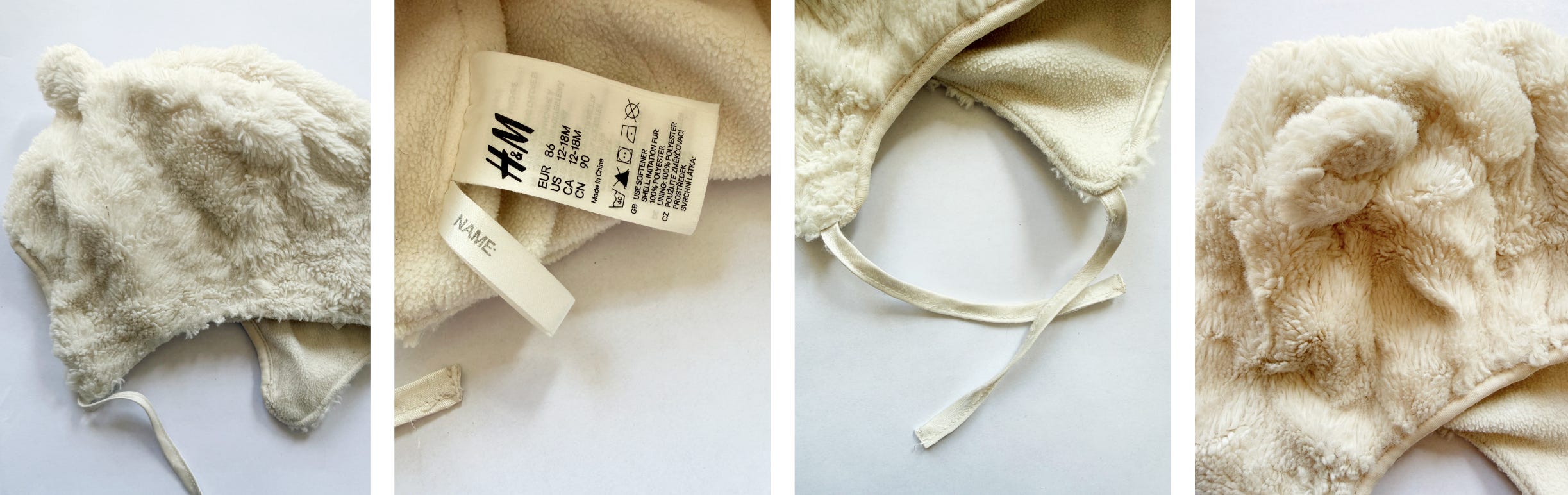
I immediately felt super defensive and then highly irritated. Having clothes I deemed to be good, examined, and judged was a deeply personal experience. Even though I understand entirely that this is a business making decisions about what will sell, the assessment felt personal and made me uncomfortable. It illustrated that even clothes I’m not especially attached to are closely connected to my sense of self, and by extension to my daughter’s.
My irritation was driven by the realization that the store was full of barely used, and sometimes unused clothing, tags still attached. I had waited months for the appointment, and it was clear they were fully booked, back-to-back. The volume of clothing being presented was enormous. The store did not have the capacity to process it all, and so they prioritized what would move fastest: clothes that were new, or looked new.
On a recent visit to a thrift store, I noticed a similar scenario; there were racks and racks of new clothing with tags still attached. This was not clothing that had been worn and passed on, but unsold inventory. Brands were using the infrastructure of the secondhand market to process overproduction.
Traditionally, the secondhand market is the part of the fashion ecosystem that processes garments once they have been worn and passed on. But it seems that this system is now being challenged in new ways. As the industry produces more clothing each year, there is simply more to process, worn, unworn, and barely worn. While secondhand consumption is increasingly rapidly, the infrastructure of the secondhand system is struggling to manage what the first-hand system has produced in vast quantities.
So, where does the excess of used clothing go? Much of it enters channels that move it out of sight, into landfill, or overseas under the guise of reuse. Alyssa Hardy’s Stop Sending Us Your Stained Clothes (Teen Vogue, February 6, 2025) highlights the growing difficulty of processing the enormous quantities of worn clothing entering global secondhand markets. Markets such as Kantamanto in Accra, Ghana, support extensive systems of resale, repair, and reuse, yet traders are increasingly overwhelmed by the quantity and declining quality of garments shipped from across the world. The speed and scale at which clothing is discarded exceed the capacity of these systems to absorb it all. And so, the fashion industry displaces responsibility for managing its excess and waste elsewhere.
This suggests it is worth examining how we perceive evidence of wear, and whether wear can become an accepted part of living with clothes.
There is one place in fashion where wear is not only tolerated but actively desired: denim. Skilled technicians and designers expertly recreate the marks upon denim that are evidence of, and achieved through, the repetitive movement of lives lived in clothing. These marks are valued for their aesthetic, but fashion moves too quickly to tolerate the time it takes to create them.
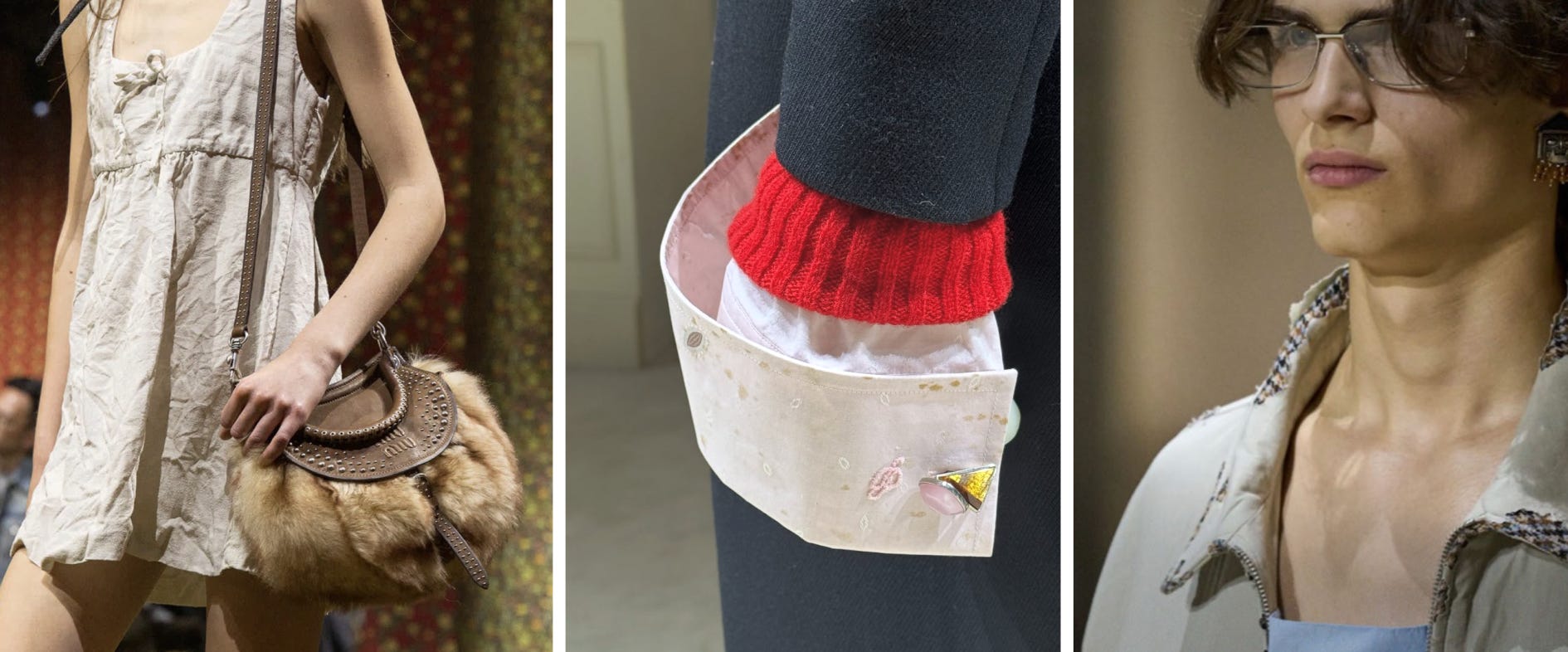
Recently, simulated wear appeared in the Fall 2026 collections at Miu Miu and Prada, used as a device to reference endurance and longevity. But these commentaries are produced within a fashion system fundamentally intolerant of the passage of time, and their commercial success ultimately serves to reinforce the system rather than challenge it.
Fashion aestheticizes wear; it does not accommodate it.
Historically, this was not always the case. As explored in Historical Perspectives on Sustainable Fashion: Inspiration for Change (2023) by Amy Twigger Holroyd, Jennifer Farley Gordon, and Colleen Hill, wear and repair were once accepted as part of a garment’s life. Clothing was valued not only for its style but for its materials. Fabrics were salvaged, recut, and remade. Garments were altered repeatedly as bodies and fashions changed. Their component parts were understood and retained for their worth.
This is not to romanticize historical systems of dress, many of which were shaped by necessity and inequality, but to recognize that clothing was once understood and valued differently.
As Tim Dant notes in Material Culture in the Modern World (1999), while fashion often draws aesthetic inspiration from the past, it does not adopt the values and meanings associated with it. Visual references are maintained through time, but the logic of use is discarded.
Many garments today are not designed to support longevity. Poor-quality materials, minimal seam allowances, and construction that does not anticipate adjustment or repair all limit the potential for continued use. The system is built on speed and churn. Wear and reuse challenge that premise.
Evidence of wear carries multiple and sometimes contradictory meanings. In many social and economic contexts, visible wear signifies poverty, hardship, or lack of access, while newness signals care, status, and social acceptability. The rejection of wear is not simply aesthetic, but deeply cultural and economic. What remains consistent is that wear signals the passage of time, that a garment has been lived in, inhabited by a body.
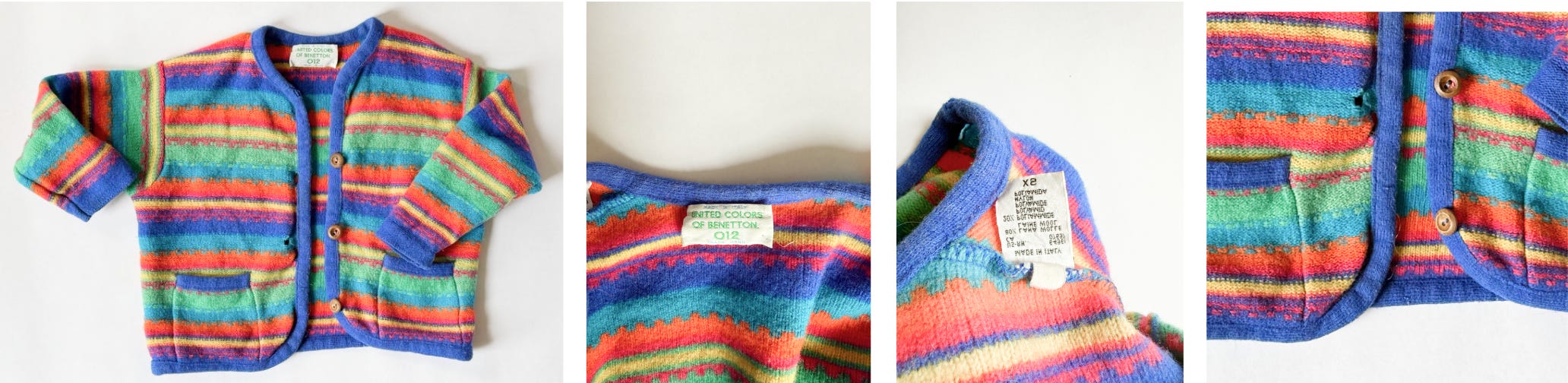
But forms of care that maintain clothing are not equally accessible. Practices such as mending and alteration require time, skill, and resources that many people do not have access to. In a culture built upon speed and productivity, maintaining clothing can itself become a form of privilege.
While the dominant system rejects wear, emerging practices are re-integrating it. Artist and mender Heidi Parkes’ exhibition Reframe… when things break suggests a shift in perception, where damage is not a culmination but a moment of potential transformation.
Rebecca Geppert , founder of the Ribbit Factory, a bespoke mending service, recognizes the value clothing carries long before it enters our wardrobes, held in its fibers, the making, the labor, and the people involved at every stage. Repair, she suggests, is "another choice, another chapter," one that celebrates and honors their embedded value and offers the wearer the opportunity to engage and interact with their clothing.
Mending is a refusal to participate in cycles of constant replacement, normalizing the idea that clothes age and continue.
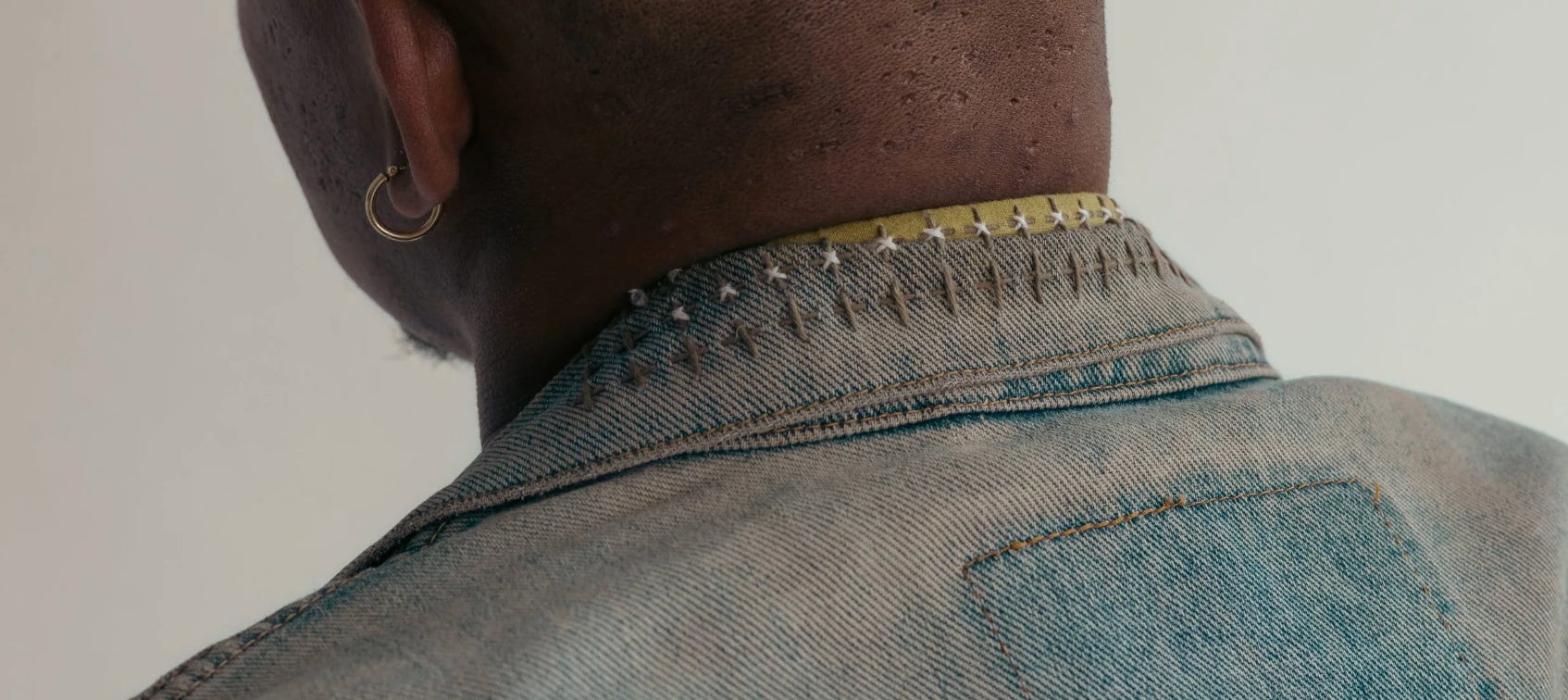
Platforms such as Alternew, founded by Nancy Rhodes, are building infrastructure around tailoring and repair, addressing issues of fit and extending the life of garments. These practices reintroduce care, adjustment, and continuity into a system that has largely eliminated them. They build systems of care into the way we interact with our clothing, and insist that clothes exist beyond a few wears, and beyond their lives with us.
Consumers and the industry that makes our garments use consignment, donation, and thrift to magically spirit away our discard. Once the garment leaves us (or the brand that made it), we are freed to forget it. It’s a form of magical thinking that means we don’t have to tolerate, deal with, or process the wear and decay that is part of living with a garment.
Accepting, tolerating, and addressing wear means acknowledging that used clothing exists alongside first-hand production, not only in our wardrobes but in our design, production, and retail channels. It would mean making space for garments to continue beyond their first life, not only in our wardrobes but in our retail environments, our design processes, and our supply chains.
Our current systems are built to create, produce, and circulate clothing. There is little integrated accommodation for how garments degrade, break down, and reach an end of life.
If wear, endurance, and longevity are accepted as part of living with clothes, it would mean valuing our clothes, the components that were used to make them, the people who made them, the journeys they travelled, and the people who wore them before and after us. Ultimately, this understanding could present new ways we design, produce, assort, and sell clothing in the fashion system.
I love this piece so much!! I researched visibly worn secondhand clothing for my masters thesis at Parsons, so to see it being explored here is so exciting and inspiring. This is an important conversation, please reach out anytime if you wanna chat more about wear! 🙏🏻🫶
I'm so excited for our chat and can't wait to introduce you to Prelove You!